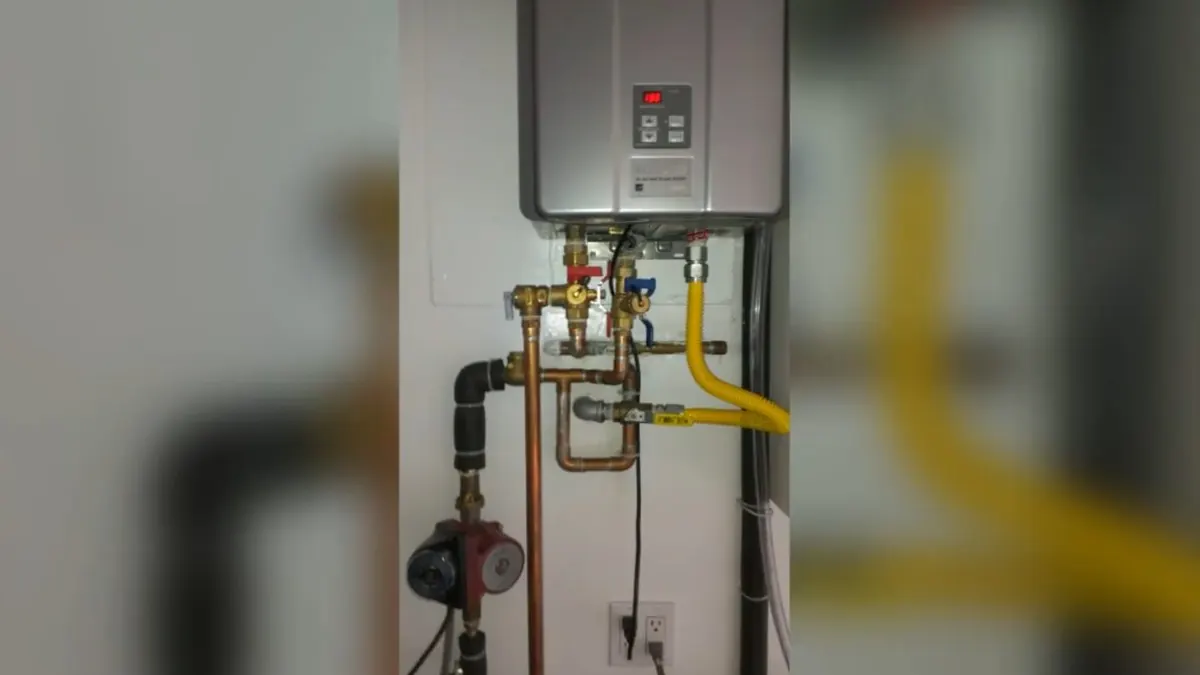
Common water heater problems in Pottstown homes
Several water heater failure modes are more common in Pottstown than in areas served by groundwater sources. Pennsylvania American Water draws from the Schuylkill River, which produces moderately hard water at roughly 150 to 220 ppm of dissolved minerals, primarily calcium and magnesium. That mineral load affects water heaters in predictable ways.
Sediment buildup. Minerals that precipitate out of hot water sink to the bottom of the tank and accumulate in a layer over the burner assembly (gas units) or lower heating element (electric units). Sediment insulates the heat source from the water, forcing the heater to run longer to reach temperature. The result is higher energy bills, slower recovery times, and the characteristic rumbling or popping sound that signals significant mineral accumulation.
Anode rod depletion. All tank water heaters have a sacrificial anode rod, typically magnesium or aluminum, that corrodes over time to protect the tank from rust. In hard water, the anode rod depletes faster than it would in soft water. A depleted anode rod leaves the tank body exposed to oxidation, which shortens the tank's service life significantly. Replacing the anode rod on schedule is one of the most cost-effective maintenance steps for a Pottstown water heater.
No hot water. In gas units, this is usually a thermocouple or pilot assembly failure. In electric units, it's most commonly a heating element or thermostat failure. Both are diagnosable on-site and repairable in a single visit in most cases.
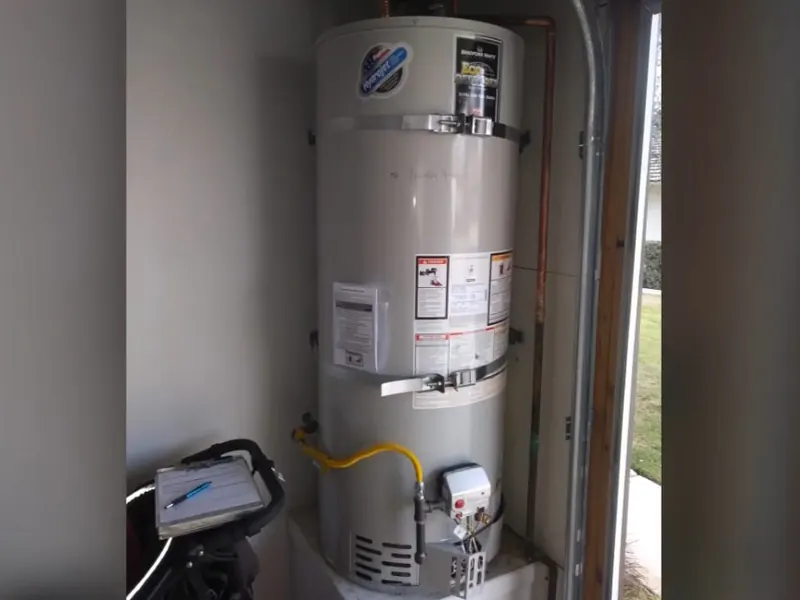
Gas water heater vs. electric water heater repairs
Gas water heater repairs we handle include: thermocouple replacement (the safety sensor that keeps the pilot lit); pilot assembly replacement (when the thermocouple is fine but the pilot tube or orifice is fouled); gas valve replacement (when the main burner or pilot gas flow is failing at the valve body); thermostat adjustment or replacement; draft hood and flue inspection for venting issues; and sediment flush to clear accumulated mineral deposits.
Electric water heater repairs include: upper and lower heating element replacement (the most common electric repair); thermostat replacement; anode rod replacement; and pressure relief valve (T&P valve) replacement when the valve is weeping or has discharged. We also handle wiring issues at the junction box for electric water heaters, though wiring inside the panel is an electrician's scope.
For both types, we carry a range of repair parts on our service trucks. Most thermocouple and element replacements are completed in 1 to 2 hours on a single visit.
When to repair and when to replace a water heater
The age of the unit is the primary factor. Under 8 years: repair is almost always worth the cost. A single component failure in a newer unit doesn't indicate broader system deterioration. Between 8 and 12 years: it depends on the failure type. Replacing a thermocouple in a 10-year-old unit that's otherwise functioning well makes sense. Replacing a heating element in an 11-year-old electric unit is more borderline; if the tank shows rust or scale on the exterior, replacement is worth considering. Over 12 years: if any significant repair is needed, replacement is usually the better value, because additional failures typically follow in older units.
Tank body leaks are always a replacement situation, regardless of age. Once a tank begins to rust through from the inside, repair is not possible and continued use risks a catastrophic failure.
Water heater repair costs in the Pottstown area
| Repair | Typical Cost (Pottstown Area) |
|---|---|
| Thermocouple replacement (gas) | $150 – $300 |
| Pilot assembly replacement (gas) | $200 – $400 |
| Gas valve replacement | $300 – $600 |
| Heating element replacement (electric) | $175 – $350 |
| Thermostat replacement (gas or electric) | $150 – $325 |
| Anode rod replacement | $200 – $400 |
| Sediment flush | $150 – $250 |
| T&P relief valve replacement | $150 – $300 |
Estimates for the Pottstown area. Diagnostic fee applies; credited toward the repair if you proceed. Parts and labor included in ranges above. See water heater installation and replacement for full unit cost ranges.
Frequently asked questions about water heater repair
How long do water heaters typically last in Pennsylvania?
Tank-style gas water heaters typically last 8 to 12 years; electric models often reach 10 to 15 years. Hard water from Pennsylvania American Water's Schuylkill River source, roughly 150 to 220 ppm, accelerates sediment accumulation and anode rod depletion compared to areas with softer water. Annual sediment flushing and periodic anode rod replacement extend service life and maintain efficiency.
My water heater is making a rumbling or popping sound. What does that mean?
That sound is accumulated sediment on the tank floor being heated. Water forces its way through the sediment layer as the burner fires, producing the cracking or rumbling noise. This indicates significant mineral buildup that reduces efficiency and can shorten the tank's life. A sediment flush resolves the noise in many cases, but if the sediment layer has hardened and cannot be cleared fully, the tank may need replacement.
When should I repair my water heater rather than replace it?
If the water heater is under 8 years old, repair is almost always worth the cost. Between 8 and 12 years, it depends on the failure type. Replacing a thermocouple or heating element in a 10-year-old unit in otherwise good condition makes sense. If the tank body itself is corroded or leaking from the tank body rather than from a fitting, replacement is the right call regardless of age.
My gas water heater pilot light keeps going out. What causes that?
The most common cause is a faulty thermocouple, the safety sensor that shuts off gas flow when it doesn't detect a lit pilot. A thermocouple that has weakened or is positioned incorrectly will not hold the pilot flame on. Thermocouple replacement is one of the simpler water heater repairs, typically 1 to 2 hours. If the pilot relights but the main burner won't stay on, the gas valve itself may be failing, which is a more involved repair.
Can hard water from PAW's Schuylkill River source damage my water heater?
Yes. Hard water deposits mineral scale on electric heating elements and on the tank floor in both gas and electric units. This reduces heating efficiency and makes the unit work harder to reach temperature. Installing a whole-home water softener or following a regular descaling regimen reduces this effect significantly. We can inspect your anode rod and tank condition during a repair and advise on whether a softener would extend your equipment's service life.
Water heater repair service areas
We repair gas and electric water heaters throughout Pottstown borough and the Schuylkill Valley. See also our water heater installation and replacement and tankless water heater services pages for full unit replacement and alternative system options.