Two trenchless repair methods: CIPP lining and pipe bursting
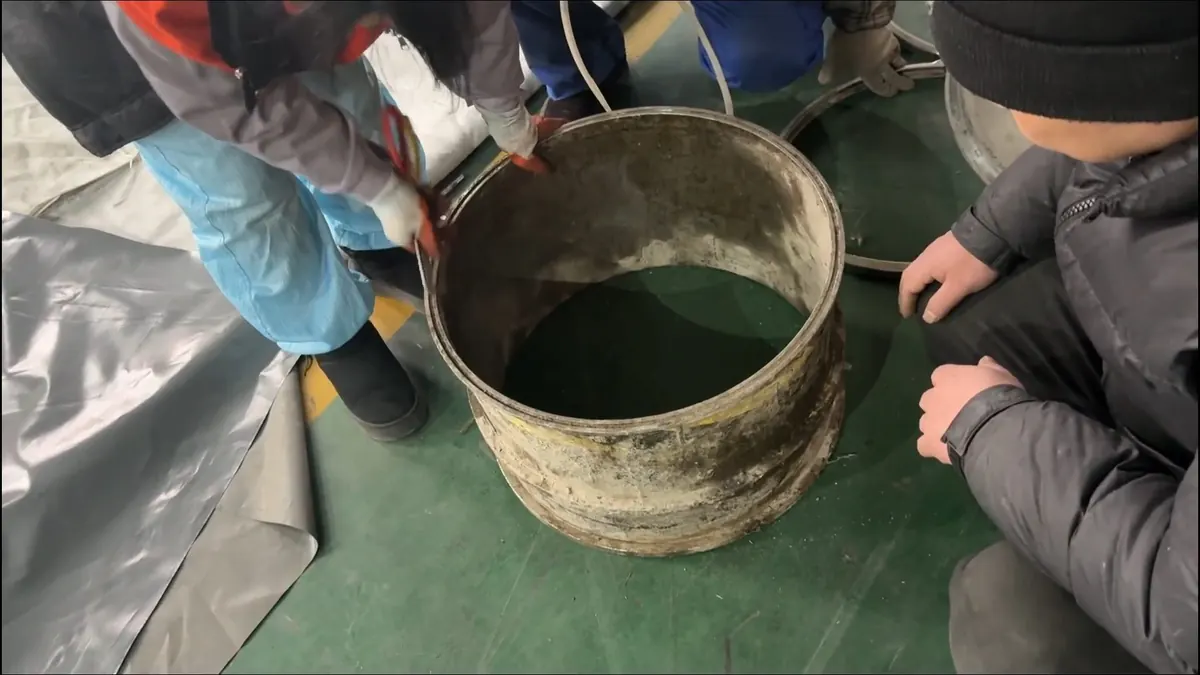
CIPP (Cured-in-Place Pipe) lining installs a new pipe inside the existing pipe without excavation. A resin-saturated tube is pulled or inverted into the lateral from a cleanout access point at the house. The tube is inflated against the pipe walls and the resin is cured in place, creating a continuous new pipe inside the old one. All joints, cracks, and root entry points in the existing pipe are sealed. The finished liner reduces the inside diameter of the pipe slightly (typically by the liner wall thickness, around 6 to 12 mm), but this has minimal effect on flow capacity in most residential applications.
CIPP lining is effective for laterals with root intrusion at clay joints, longitudinal cracks, and deteriorating pipe walls, as long as the existing pipe is still structurally present and correctly aligned. The finished liner has an expected service life of 50 years or more and is approved under Pennsylvania Uniform Construction Code for residential sewer lateral rehabilitation.
Pipe bursting is a different approach: a bursting head is pulled through the existing pipe, fracturing the old pipe outward into the surrounding soil while simultaneously pulling a new pipe in behind it. The result is a new pipe in the exact footprint of the old one, at full inside diameter rather than the slightly reduced diameter of a CIPP-lined pipe. Pipe bursting is appropriate for laterals that are too deteriorated for lining (heavily fractured or collapsed sections where the bursting head can still pass through) and for situations where full diameter is a priority.
Both methods require a small access pit at each end of the work section rather than the full-trench excavation that open-cut replacement requires. In typical Pottstown residential applications, this means opening at the cleanout at the house and at a small pit near the street connection.
Which Pottstown sewer laterals are candidates for trenchless repair
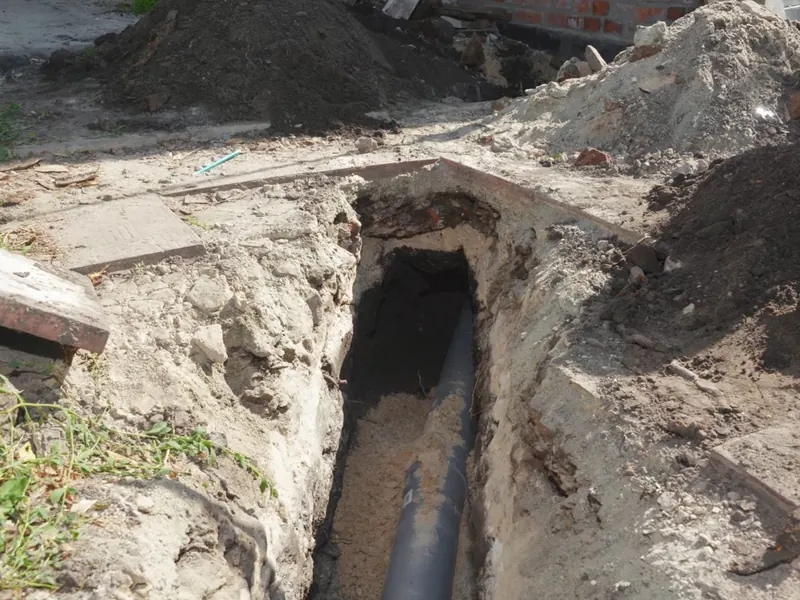
Camera inspection before any trenchless repair is non-negotiable. The inspection confirms whether the existing lateral is a viable candidate for lining or bursting, identifies the extent of deterioration, and documents starting conditions for the project record. Not every lateral in Pottstown can be lined.
Good CIPP candidates: clay laterals with root intrusion at multiple joints but otherwise intact pipe sections; pipes with longitudinal surface cracking that haven't progressed to full structural failure; laterals with internal scale buildup that can be hydro-jetted before lining; and pipes with minor joint offsets (under about an inch) that still allow the liner tube to make full wall contact.
Not good lining candidates: laterals with sections that have fully collapsed, significant joint offsets that prevent full liner contact, severe bellies where pipe grade has dropped enough to pool water, or pipes in sections shorter than the minimum effective lining length. These cases require open-cut repair or replacement. We assess candidacy at the camera inspection visit and give you a clear recommendation before any commitment to the repair method.
When a lateral is partly a lining candidate and partly requires open-cut spot repair, a hybrid approach is sometimes the most cost-effective: open-cut repair of the specific failed sections, then CIPP lining of the remaining lateral length.
Trenchless sewer repair costs in Pottstown
| Service | Typical Cost (Pottstown Area) |
|---|---|
| Camera inspection (required before trenchless work) | $200 – $450 |
| CIPP lining, 40–60 ft lateral | $4,000 – $7,500 |
| CIPP lining, 60–100 ft lateral | $6,000 – $11,000 |
| Pipe bursting, 40–60 ft lateral | $4,500 – $8,000 |
| Hydro jetting before lining (required for scale) | $300 – $600 |
| Permit (Pottstown Borough Code Enforcement) | Included |
Estimates for the Pottstown area. Trenchless repair cost depends on lateral length, diameter, pipe material, and whether hydro jetting is needed before lining. Compare with open-cut replacement on our sewer line replacement page. Camera inspection is required before firm pricing on any trenchless scope.
Frequently asked questions
How does CIPP lining work?
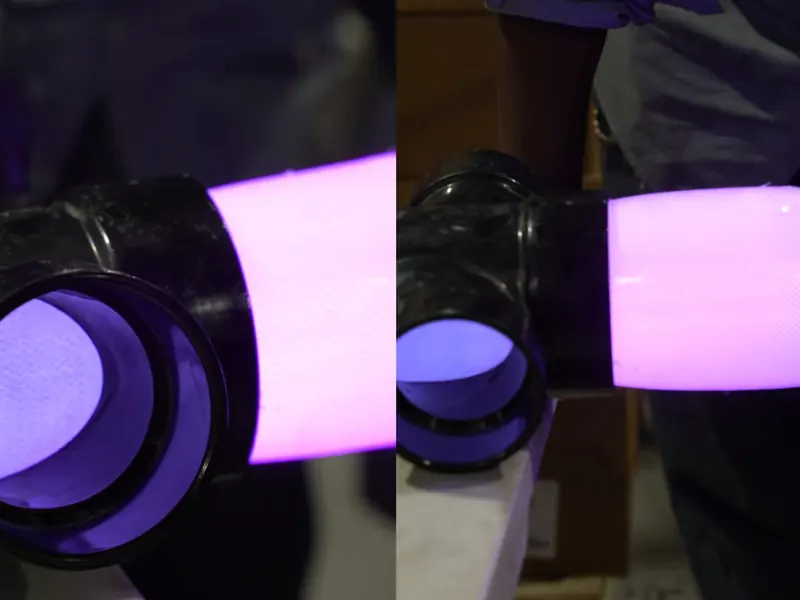
A resin-saturated felt or fiberglass tube is pulled or inverted into the existing pipe from a cleanout access point. The tube is inflated against the pipe walls and the resin cured in place. When cured, the liner forms a continuous new pipe inside the old one, sealing all joints, cracks, and root entry points. The finished liner has a service life of 50 years or more.
What makes a Pottstown sewer lateral a good candidate for CIPP lining?
The pipe must be structurally present and correctly aligned. Minor to moderate root intrusion, longitudinal cracks, and deteriorated joint seals are ideal candidates. Severely offset joints, collapsed sections, or pipes with significant grading issues are not candidates for lining and require open-cut replacement. Camera inspection determines candidacy before we recommend a method.
How long does a CIPP-lined sewer lateral last?
CIPP lining has an expected service life of 50 years or more under normal residential conditions. The liner is impermeable and eliminates the clay joint gaps that allow root entry, so recurring root intrusion is addressed at the source rather than managed by periodic cutting.
Will I need to excavate my driveway or yard for trenchless repair?
In most cases, no significant excavation is needed. CIPP lining requires an access pit only at the insertion point (the cleanout) and sometimes a small pit at the street. Pipe bursting needs similar small pits at each end. These are far smaller openings than the full-trench excavation that open-cut replacement requires.
Trenchless sewer repair service areas
Trenchless sewer repair throughout Pottstown borough and the Schuylkill Valley. Related: camera inspection, sewer line repair, sewer line replacement.