Why Pottstown's brick rowhomes are at risk for frozen pipes
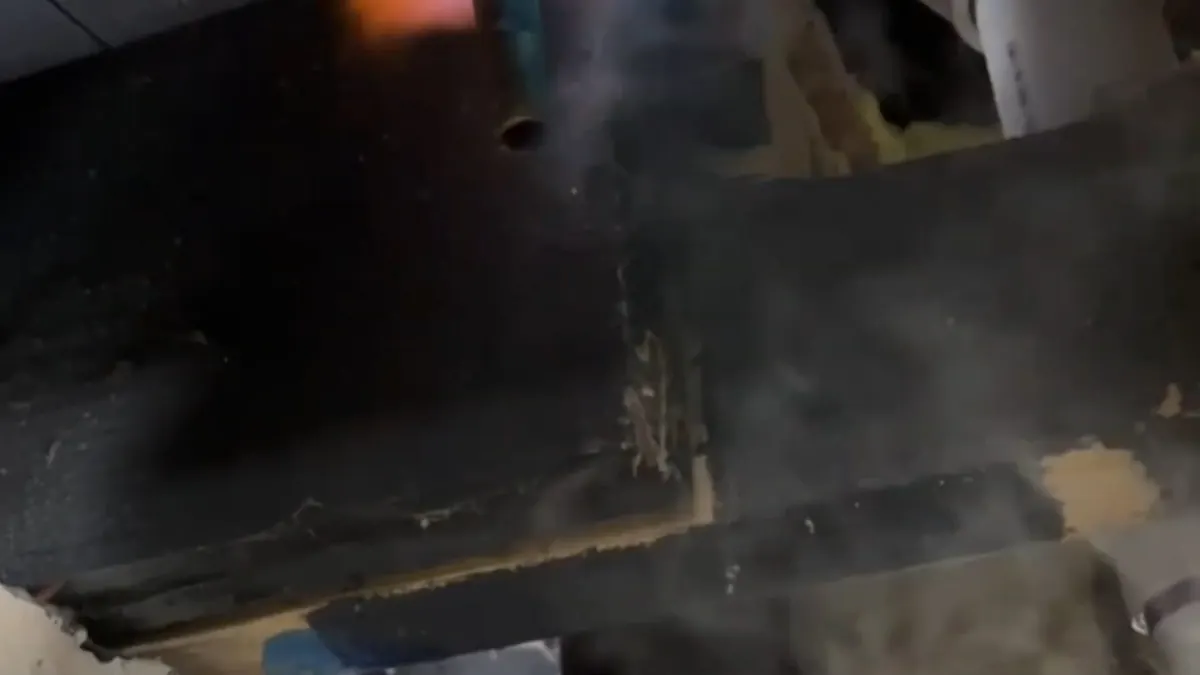
Pottstown's residential blocks were built primarily between the 1880s and the 1930s, during a construction era when wall insulation standards were minimal and supply lines were routinely run through exterior wall cavities. Those exterior walls in brick rowhomes conduct cold air directly, with little more than the brick wythe between the outside temperature and the copper or galvanized pipe inside.
Pottstown's average January low temperature is around 22°F. Polar Vortex events push overnight temperatures into the single digits multiple times in some winters. When temperatures stay below 20°F for several consecutive hours, supply lines in uninsulated exterior walls begin to freeze. The pipes most at risk are cold water supply lines on the north- and west-facing exterior walls, supply lines in unheated crawl spaces or garages, and pipes running through cabinet bases along exterior walls in kitchens.
Vacant properties are the highest-risk category. An investment property that is drained down or has the heat lowered below 55°F during a cold stretch will see its pipes freeze and then burst when a tenant reoccupies and restores heat. We respond to these calls throughout January and February in Pottstown borough and the surrounding Schuylkill Valley townships.
What happens when a pipe freezes and thaws
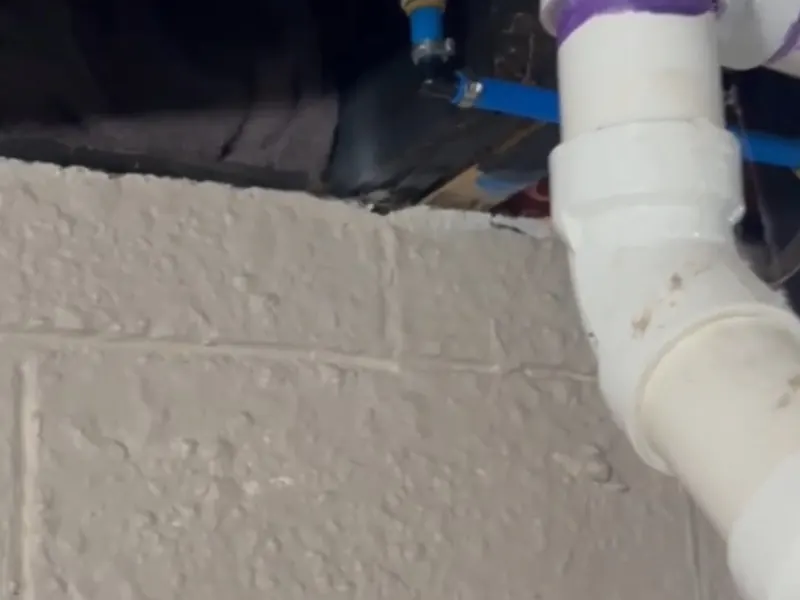
When water freezes inside a pipe, it expands by about 9 percent in volume. That expansion creates significant internal pressure. The pipe itself usually does not crack during the freeze; it cracks or splits during the thaw cycle, when the ice melts and water pressure is restored through a compromised section.
This timing matters practically: many homeowners assume a frozen pipe that hasn't burst yet is safe to thaw with high heat. Rapid thawing with a torch or high-heat source can cause steam buildup inside the pipe before the ice fully releases, which can crack cast iron fittings or joints in older systems. We thaw slowly and in a controlled direction, starting from the faucet end and working back toward the freeze, keeping a faucet open throughout.
After thawing, we pressure-test the repaired section to confirm no splits have been missed. If we find a split section inside a wall, we make the smallest possible access opening, cut and replace the damaged length, and leave the wall ready for a finish contractor to patch.
Frozen pipe repair costs in the Pottstown area
Costs depend on pipe location, accessibility, whether the pipe has split, and whether after-hours dispatch applies. The ranges below reflect typical Pottstown area jobs.
| Service | Typical Cost (Pottstown Area) |
|---|---|
| Standard thaw service, accessible pipe | $150 – $350 |
| Thaw + minor repair (split section, accessible) | $350 – $700 |
| Thaw + wall access + repair | $600 – $1,400 |
| Burst pipe repair (see burst pipe service page) | $700 – $2,500+ |
| After-hours emergency premium | $75 – $150 additional |
Estimates for the Pottstown area based on typical project scope. Final cost depends on pipe location, material, extent of damage, and permit requirements if wall access is needed.
Frequently asked questions about frozen pipe repair in Pottstown
How do I tell if a pipe is frozen vs. already burst?
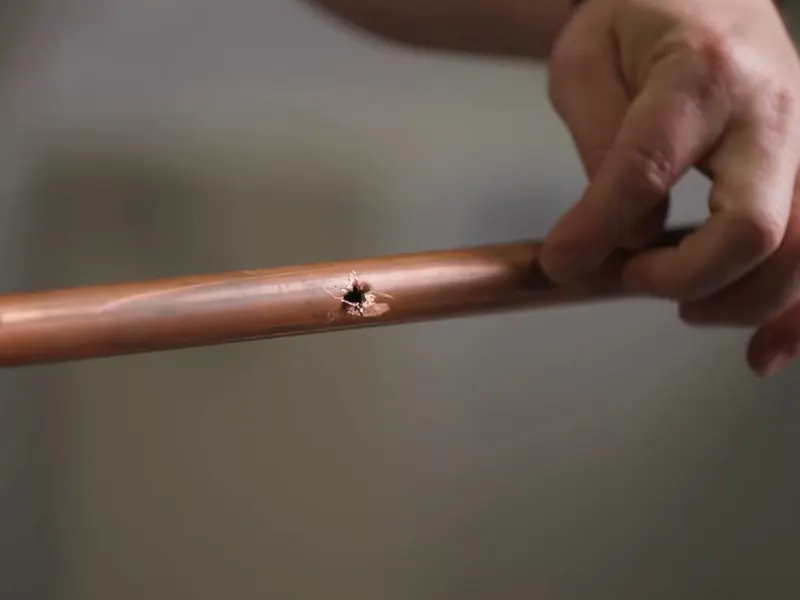
If water flow from a faucet has stopped completely but the supply is on, the pipe is likely frozen. If you see water coming through a ceiling, wall, or floor, the pipe may have burst. Frozen pipes often split during the thaw cycle rather than during the freeze itself, so you may not see water until the pipe warms up. If a faucet won't flow and temperatures have been below 20°F, treat it as a frozen pipe and call us before restoring full heat to the home.
Can I thaw a frozen pipe myself?
You can try warm air from a hair dryer or a space heater aimed at the exposed pipe section if you can locate the freeze. Never use an open flame. Keep a nearby faucet open so water and steam can escape as the pipe thaws. The risk with a DIY thaw is that you may not know whether the pipe has already split. If you thaw the pipe and water starts spraying, turn off the main shutoff immediately and call us.
How long does it take to thaw a frozen pipe professionally?
Depending on the location and extent of the freeze, a professional thaw with controlled heating equipment typically takes 30 minutes to 2 hours. Pipes inside exterior walls take longer because access is more limited. If the pipe has split, repair time is additional.
My pipes froze last year in the same spot. Will they freeze again?
Probably, if the underlying condition has not changed. Frozen pipes are caused by exposure: inadequate insulation in the wall cavity, a gap in siding or exterior cladding that lets in cold air, or a supply line routed through an unheated space. After we repair the pipe, we can show you where the vulnerability is and what a contractor would need to do to address it.
Do you work on supply lines inside walls?
Yes. Accessing pipes inside walls sometimes requires opening a section of plaster or drywall to reach the frozen or burst section. We keep the opening as small as possible and leave the area ready for a finish contractor to close. For Pottstown rowhomes with original plaster walls, we have experience working in that material without unnecessary additional damage.
Frozen pipe repair service areas
We handle frozen pipe calls throughout Pottstown borough and the Schuylkill Valley. Common call areas during winter cold events include Downtown Pottstown, the East End, High Street Corridor, Hanover Square Area, and adjacent communities including Royersford, Phoenixville, Stowe, and Boyertown.