6 Signs Your Cast Iron Drain Stack Is Failing in an Older Pottstown Home
Cast iron drain stacks in Pottstown's older rowhomes are approaching or past 100 years of service. Most failures give warning before they become full emergencies. Here are the six signs to watch for.
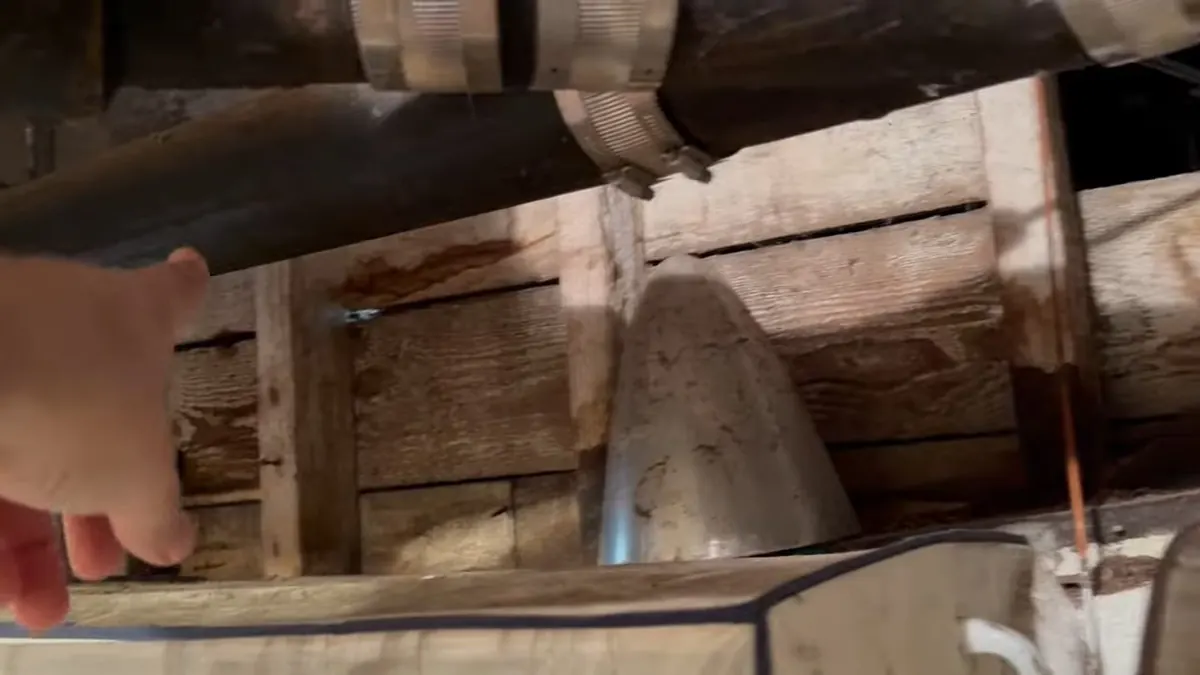
Sign 1: Rust-colored water draining from upper-floor fixtures
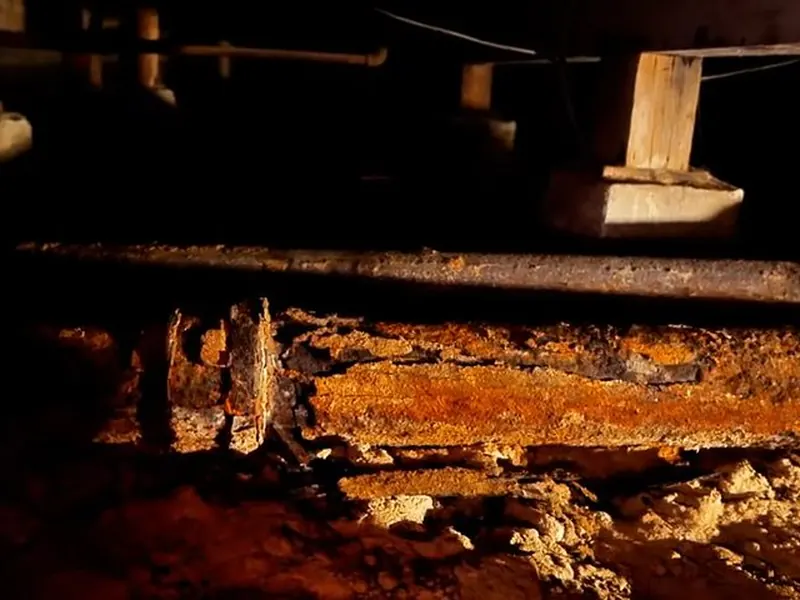
When you drain a bathtub or sink on an upper floor and the draining water has a reddish-brown tinge, the color is coming from the interior of the cast iron drain stack. As water moves through sections of the pipe with heavy internal corrosion, it picks up iron oxide from the pipe wall. The color is particularly noticeable in light-colored tubs and sinks. This symptom indicates significant internal corrosion and is one of the clearest early-warning signs of cast iron failure. Camera inspection can confirm the extent of the corrosion before any work is recommended.
Sign 2: Gurgling from multiple drains simultaneously
When flushing a toilet on one floor causes gurgling from the bathtub drain on the same floor or the sink drain one floor below, the drain-waste-vent system is not venting properly. In an original cast iron drain system in a Pottstown older home, this often indicates significant scale buildup narrowing the stack interior to the point where venting is compromised, or a partial blockage at a stack connection point that disrupts the air pressure balance in the drain system. Gurgling at one isolated drain is a different issue; simultaneous gurgling from multiple fixtures on multiple floors points to the main stack.
Sign 3: Rust staining in tubs, sinks, or toilet bowls that reappears after cleaning
Rust staining in a bathtub or sink that returns within days of cleaning, despite the tub or sink itself being in good condition with no rust source at the fixture, indicates iron in the drain water from the stack. The water draining through the tub sits briefly at the drain basket before clearing, and any rust particles in that water deposit on the porcelain or acrylic surface. Persistent staining that reappears quickly after cleaning is a reliable indicator of internal stack corrosion rather than a surface fixture issue.
Sign 4: Soft spot, staining, or bubbling paint on the ceiling below a bathroom
A soft or discolored area on the ceiling of a room that is directly below a bathroom, particularly below the toilet location, indicates water leaking from the drain system above. In older Pottstown rowhomes, this is frequently a pinhole in the cast iron drain stack at or below the toilet connection point, where the pipe is most exposed to corrosive drain water chemistry. The leak may be intermittent and slow enough that it only shows as staining rather than active dripping, but the structural implication of prolonged water exposure to the floor/ceiling assembly between the bathroom floor and the ceiling below warrants investigation.
Sign 5: Persistent sewage smell inside the home that is not traced to a trap
A sewage smell that persists despite cleaning and despite checking all floor drains and fixture traps for dryout is often coming from the drain stack itself. Failed lead-oakum joints at cast iron connections can allow sewage gas to escape into wall cavities and into the living space. Lead-caulked joints in older cast iron stacks dry out over decades and lose their seal; the resulting gaps allow odor to pass even when there is no visible water leak. This is a subtler sign than the others, because sewage odor has multiple potential causes, but it is worth investigating in older homes where the other signs are also present.
Sign 6: Chronically slow drains on multiple floors despite recent drain cleaning
If a drain cleaning service cleared a backup but the same slow-drain pattern has returned within a year or two, and this has happened more than once, the drain cleaning is addressing the symptom rather than the cause. Heavy internal scale in the cast iron stack narrows the effective flow area to the point where any accumulation of debris causes restriction. Cleaning removes the debris but not the scale. When drain cleaning provides only temporary relief in an older home, camera inspection of the stack is the appropriate next step to assess whether scale or other structural issues are causing the recurring restriction.
What to do when you see these signs
Camera inspection of the vertical cast iron stack is the right first step when two or more of these signs are present. The inspection confirms which failure mode is causing the symptoms, how extensive the deterioration is (section-limited or throughout the stack), and whether section replacement or full stack replacement is the appropriate scope. We provide recorded video and a written assessment with every stack inspection, so you have clear documentation before committing to any repair approach.
Frequently asked questions
How do I know if the problem is the drain stack or the sewer lateral?
The symptoms tell you which system to investigate first. Symptoms that appear in fixtures on multiple floors simultaneously (gurgling, rust color in draining water, slow drains throughout) point to the vertical stack inside the house. Symptoms that are primarily about backup when running large volumes of water (washing machine, multiple fixtures simultaneously) or about recurring main line blockages point to the lateral. Camera inspection of the suspect system confirms which one is failing.
Can I keep using the bathroom if the cast iron stack is showing failure signs?
Yes, for minor warning signs like intermittent rust tinge or ceiling staining. For pinhole leaks with active ceiling damage, you should get an inspection quickly and minimize use of the affected bathroom in the interim to limit water damage accumulation. For fully collapsed sections or active sewage backup, halt use and call us.
What does cast iron drain stack replacement cost for a Pottstown rowhome?
Section replacement (one floor level) runs $1,200 to $3,000. Full two-story stack replacement runs $3,500 to $6,500. Full three-story stack replacement runs $5,500 to $9,000. Finish work (plaster or drywall patching after wall access) is a separate trade scope. See our detailed cost guide for Montgomery County for more detail.
Do these signs always mean the stack needs replacement?
Not necessarily. Camera inspection is required to confirm the extent of the problem. Some stacks showing warning signs have deterioration concentrated in one section that can be replaced without touching the rest. Camera inspection before any commitment means you repair only what actually needs replacing.
Seeing warning signs in your Pottstown rowhome's drain system? Camera inspection of the cast iron stack confirms what's failing and what the repair scope should be.