Galvanized Pipe, Rust-Tinged Water, and Pressure Problems in Pottstown's Older Homes
Galvanized steel supply pipe was standard in Pottstown's pre-1950 housing and is now 70 or more years old. Here is what it looks like when it fails, how it affects your water and pressure, and what replacing it involves.
What galvanized pipe is and when Pottstown homes got it
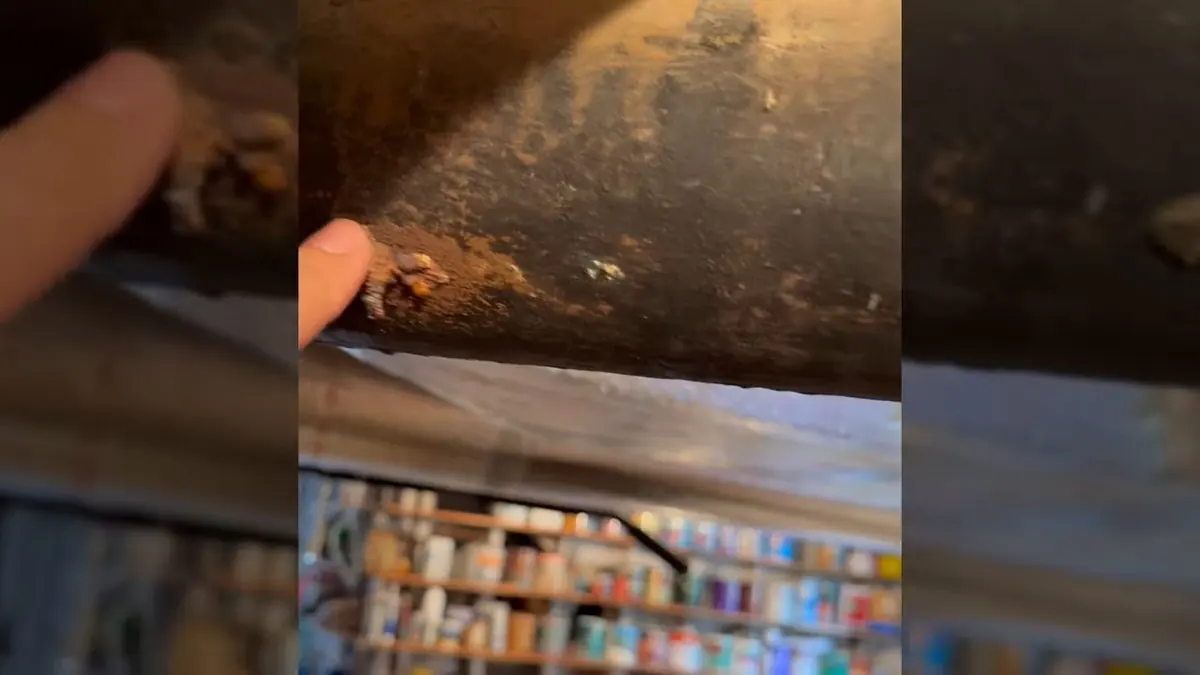
Galvanized steel pipe is steel pipe coated with a thin layer of zinc as corrosion protection. It was the dominant residential water supply material from roughly the 1880s through the early 1960s, when copper gradually replaced it as the standard. In Pottstown's pre-WWII housing stock, galvanized steel supply pipe is found in the mains running through the basement and in the branch lines running to each bathroom and kitchen.
The zinc coating was intended to extend the pipe's service life by slowing corrosion. It does work, which is why galvanized pipe in Pottstown homes is still functioning after 70 to 100 years. The problem is that the zinc coating eventually depletes and the underlying steel corrodes from the inside out, producing the effects on water quality and pressure that are the primary complaints we hear from Pottstown homeowners with original galvanized supply.
How galvanized pipe corrodes and what it does to your supply
After the zinc coating is consumed, the steel pipe interior begins to rust. Iron oxide scale accumulates on the pipe wall and grows inward over years and decades, progressively narrowing the effective flow area. A 3/4-inch supply pipe that started with 0.75 inches of clear interior diameter can be reduced to half that effective area by heavy internal scale. The hydraulic effect is a reduction in flow rate and pressure, particularly noticeable at fixtures far from the main entry point or on upper floors where pressure is already lowest.
The scale is not uniformly distributed. It tends to concentrate at elbows, tees, and transition points where water velocity changes. Localized heavy scale at a fitting can restrict flow to the remainder of the run even if the upstream straight pipe sections are in better condition.
Water quality signs of galvanized pipe
The most common water quality complaint from galvanized pipe is rust-tinged water at the start of the day or after a period of no water use. When water sits in a corroding galvanized pipe, it picks up iron from the pipe wall. The discoloration is typically reddish-brown and clears after running the tap for 30 to 60 seconds as fresh water from the main flushes through the line.
Persistent rust coloration that does not clear quickly, or that appears even with normal continuous water use, indicates more advanced corrosion. At that stage, the iron concentration in the water may be high enough to stain fixtures, laundry, and dishes.
There is also a lead concern specific to galvanized pipe that has ever been downstream of a lead service line. Lead from the service line can be absorbed into the internal scale of the galvanized pipe and released back into the water over time, even after the lead service line itself has been replaced. This is one reason lead service line replacement alone does not fully address lead exposure risk in homes where galvanized supply extends throughout the house.
Pressure signs of galvanized pipe
If your shower pressure was notably better five or ten years ago than it is today, and you are on municipal water with no known main or service line problems, internal galvanized scale is the probable cause. The narrowing accumulates gradually, so the reduction is hard to notice month to month but becomes obvious over years.
Upper-floor fixtures are affected first because they are at the end of the supply run and at the lowest pressure point in the system. If the kitchen faucet on the first floor has acceptable pressure but the second-floor shower feels weak, the galvanized supply run to the upper bathroom is the likely restriction point.
When repiping becomes the right call
Targeted section replacement can address a localized restriction or isolated pinhole leak, but it does not address the underlying condition of the remaining galvanized pipe. If the system has been in service since pre-WWII construction, the entire run is aging at roughly the same rate. A series of spot repairs over the coming years typically costs more in total, and causes more disruption, than a single whole-home repiping project.
We recommend evaluating repiping when: rust-colored water is persistent or recurring, when pressure has declined noticeably over recent years, when more than one galvanized section has needed repair in the past three years, or when the home is being renovated and walls are already open. See our galvanized-to-PEX repiping guide for what the process involves in a Pottstown rowhome.
Frequently asked questions
How do I know if my Pottstown home has galvanized supply pipe?
The physical check is the same as for service lines: locate the supply pipe in the basement, hold a magnet to it (galvanized steel is magnetic, copper and plastic are not), and scratch it (rusty gray metal underneath indicates galvanized). Homes built before 1960 in Pottstown are the primary candidates for original galvanized supply.
Can galvanized pipe carry lead even after a lead service line is replaced?
Yes. Internal scale in galvanized pipe that was downstream of a lead service line can absorb and re-release lead. This is known as secondary lead release. Repiping the galvanized supply addresses both the pressure and water quality issues and eliminates the secondary lead release pathway.
Is low water pressure always caused by galvanized pipe?
Not always. Other causes include partially closed shutoff valves, pressure regulator failure, main supply issues, and clogged aerators at fixtures. We diagnose pressure issues systematically before attributing them to galvanized pipe. That said, in pre-1950 Pottstown homes with original supply, galvanized scale is one of the most common causes of progressive pressure decline.
How much does it cost to repipe a Pottstown home from galvanized to PEX?
Whole-home repiping in a typical Pottstown rowhome (2 to 3 stories, 1 to 2 baths) typically costs $5,000 to $10,000 for galvanized-to-PEX replacement. The range depends on the number of floors, fixture count, and whether the walls are original plaster or drywall. See our repiping service page for detail.
Rust-tinged water or declining pressure in your Pottstown home? We assess galvanized pipe condition and provide whole-home repiping estimates.